
Furnace Blower Motor Problems: Warning Signs and Causes – Furnova
A furnace blower motor plays an essential role in keeping a home warm and comfortable during the colder months. It powers the fan that moves heated air through the ductwork and distributes it throughout the house. When the blower motor develops a problem, the furnace may struggle to maintain consistent temperatures, circulate air properly, or operate efficiently. Recognizing the warning signs of blower motor failure can help homeowners address heating issues https://furnacerepairinvaughan.ca/contact.html before they lead to expensive repairs. Furnova provides professional furnace repair guidance to help homeowners understand common heating system problems and maintain reliable indoor comfort.
One of the most noticeable signs of a blower motor problem is weak airflow from the vents. If the furnace produces heat but only a small amount of warm air reaches the rooms, the blower motor may not be operating correctly. However, restricted airflow can also result from a dirty air filter, blocked vents, or ductwork problems. Checking the filter and ensuring that vents remain unobstructed are useful first steps. If airflow remains weak, a qualified HVAC technician can inspect the blower assembly and determine the underlying cause.
Unusual noises are another common warning sign. A properly functioning blower motor should operate without excessive rattling, grinding, squealing, or banging sounds. Grinding noises may indicate worn motor bearings, while rattling can result from loose components or debris inside the blower housing. Squealing sounds may suggest belt problems in systems that use belt-driven blowers. Ignoring these noises can allow minor mechanical issues to become more serious, so professional inspection is recommended when unusual sounds continue.
A furnace that repeatedly overheats or shuts down may also have a blower motor problem. When the motor cannot move enough air across the heat exchanger, temperatures inside the furnace can rise beyond safe operating limits. The system may then shut itself down through its safety controls. A clogged filter can cause similar symptoms, making it important to check airflow restrictions before assuming the motor has failed. Persistent overheating requires professional attention because it can damage furnace components and interrupt heating.
Electrical issues can also affect blower motor performance. Faulty wiring, a failing capacitor, damaged connections, or problems with the motor itself may prevent the fan from starting or cause it to stop unexpectedly. Homeowners may notice that the furnace produces heat briefly but does not distribute warm air effectively. Because electrical components can present a safety risk, repairs should be handled by a trained technician rather than attempted without appropriate knowledge and equipment.
Another possible warning sign is an unexpected increase in energy consumption. When the blower motor struggles to operate, it may run inefficiently or remain active longer than necessary. Restricted airflow can also force the heating system to work harder to maintain the selected temperature. Although higher energy bills can have several causes, a furnace inspection can help determine whether the blower motor or another heating component is responsible.
Regular maintenance is one of the best ways to reduce the risk of blower motor problems. Replacing air filters as recommended, keeping return-air vents clear, and scheduling professional furnace inspections can help maintain proper airflow. Technicians can examine the blower assembly, inspect electrical connections, and identify signs of wear before a complete failure occurs.
When blower motor problems persist, Furnova can help homeowners arrange appropriate furnace inspection and repair services. Prompt attention can restore effective airflow, improve heating performance, and reduce unnecessary strain on the system. Maintaining the blower motor is an important step toward dependable heating, better indoor comfort, and a longer-lasting furnace.…
Quality Wall and Ceiling Plastering Services London
Beautiful and comfortable interiors often begin with properly prepared walls and ceilings. The condition of these surfaces can influence how a room looks and how successfully different decorative finishes can be applied. Over time, plaster may become damaged through everyday use, moisture exposure, or natural building movement. Repairing these problems with professional techniques helps restore the appearance of interior spaces and provides a suitable foundation for future improvements. For homeowners planning renovations, quality plastering is an important part of achieving a neat and lasting result.
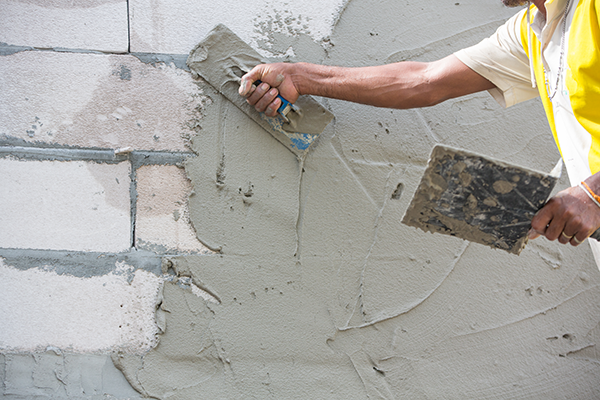
London properties come with a variety of construction styles, which means plastering requirements can differ significantly from one building to another. Period homes may contain traditional plaster surfaces that need careful restoration, while modern apartments often require contemporary finishing techniques. Commercial buildings also need properly maintained walls and ceilings to create professional environments for employees and visitors. Experienced plasterers understand these differences and can adapt their approach to suit individual projects.
Choosing a professional Plastering Service London residents can rely on helps ensure that renovation work is completed with attention to detail. Skilled tradespeople can provide internal plastering, wall skimming, ceiling repairs, plasterboarding, and other surface finishing solutions. Whether the work involves refreshing one room or improving an entire property, professional application can help produce smooth and consistent results. A properly finished surface also makes subsequent decorating more straightforward.
Wall skimming is particularly useful for improving interiors without removing all the existing plaster. It involves applying a thin finishing layer to create a more even surface. This technique can cover minor imperfections and prepare walls for painting or wallpapering. However, the existing surface must be assessed beforehand to determine whether it is suitable for skimming or requires additional repairs. Proper preparation helps prevent problems and supports a better finish.
Ceilings should never be overlooked during property improvements. Cracks, uneven patches, and deteriorating plaster can affect the appearance of an otherwise attractive room. Professional ceiling repairs help restore damaged areas and create a consistent finish. In properties undergoing complete refurbishment, new plasterboard and plaster applications may also be required to achieve the desired interior design.
The materials used during plastering play an important role in the quality of the finished work. Different surfaces and environmental conditions may require different products and application methods. Professional contractors understand how to choose appropriate materials and prepare surfaces for effective adhesion. They also recognise the importance of correct drying periods, careful application, and final inspection before the work is considered complete.
Finding a suitable plasterer involves looking beyond the lowest quotation. Property owners should consider practical experience, previous projects, customer feedback, and the contractor’s ability to communicate clearly. Discussing the project requirements in advance helps establish a realistic schedule and avoid unexpected issues during the renovation.
Investing in professional plastering can improve both the appearance and functionality of a property. Smooth walls and ceilings create a more welcoming atmosphere while providing a reliable base for future decoration. With careful preparation and skilled workmanship, London homeowners and commercial property managers can maintain attractive interiors that meet their expectations for quality and durability.…